Ask ten people in Cape Town where to go for wine and nine will say Stellenbosch. They are not being unimaginative — the region genuinely is the default answer, for three reasons that have nothing to do with marketing.
It is close enough to do in half a day
Stellenbosch sits about 50 km east of Cape Town, roughly a 45-minute drive on the N1 or N2. That single fact is why five-hour half-day tours exist here and nowhere else in the winelands. Franschhoek is 75 km out and closer to an hour; by the time you have driven both ways you have no half-day left.
A Stellenbosch half-day gets you a working cellar visit, several tastings, a food pairing and a walk through the town, and returns you to Cape Town with the rest of the day intact. That matters more than it sounds on a five-day Cape Town trip where Table Mountain, Cape Point and the peninsula drive are all competing for the same daylight.
It has the deepest choice of estates
The Stellenbosch Wine Route was approved in April 1971 with eleven founding members — the first wine route in South Africa and one of the oldest anywhere in the world. It now coordinates a network of more than 150 wineries, and the Wine of Origin district behind it covers over 200 wine and grape producers.
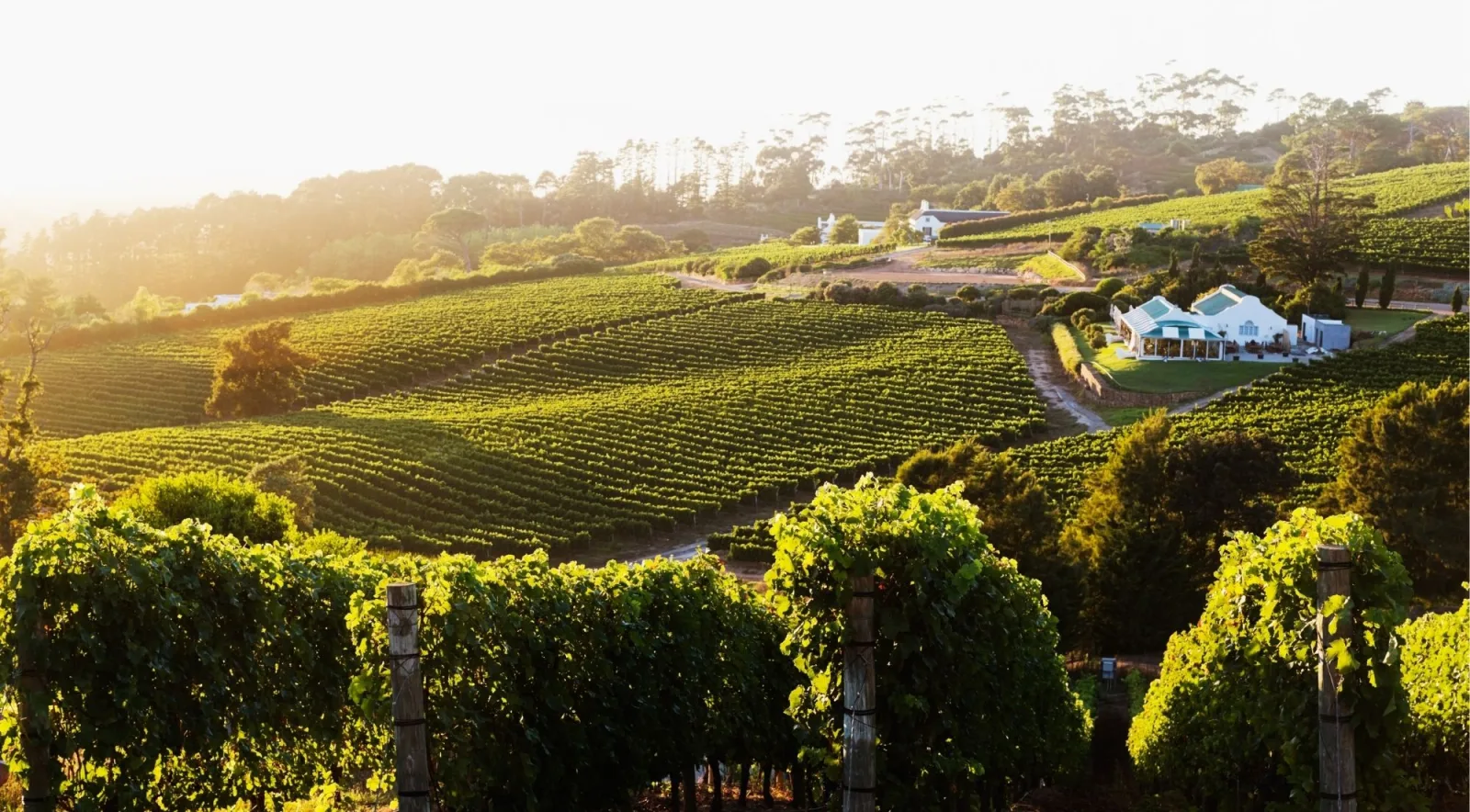
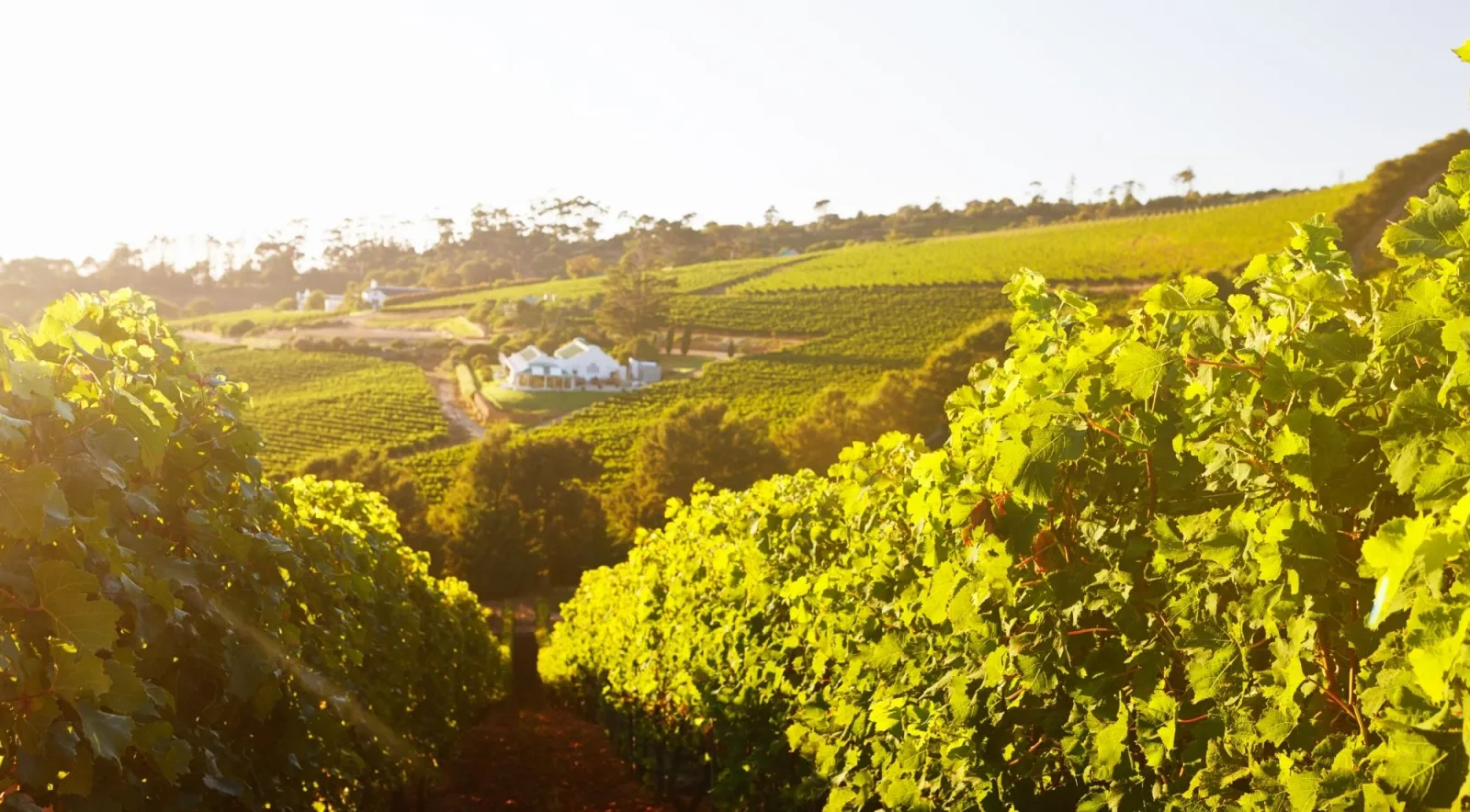
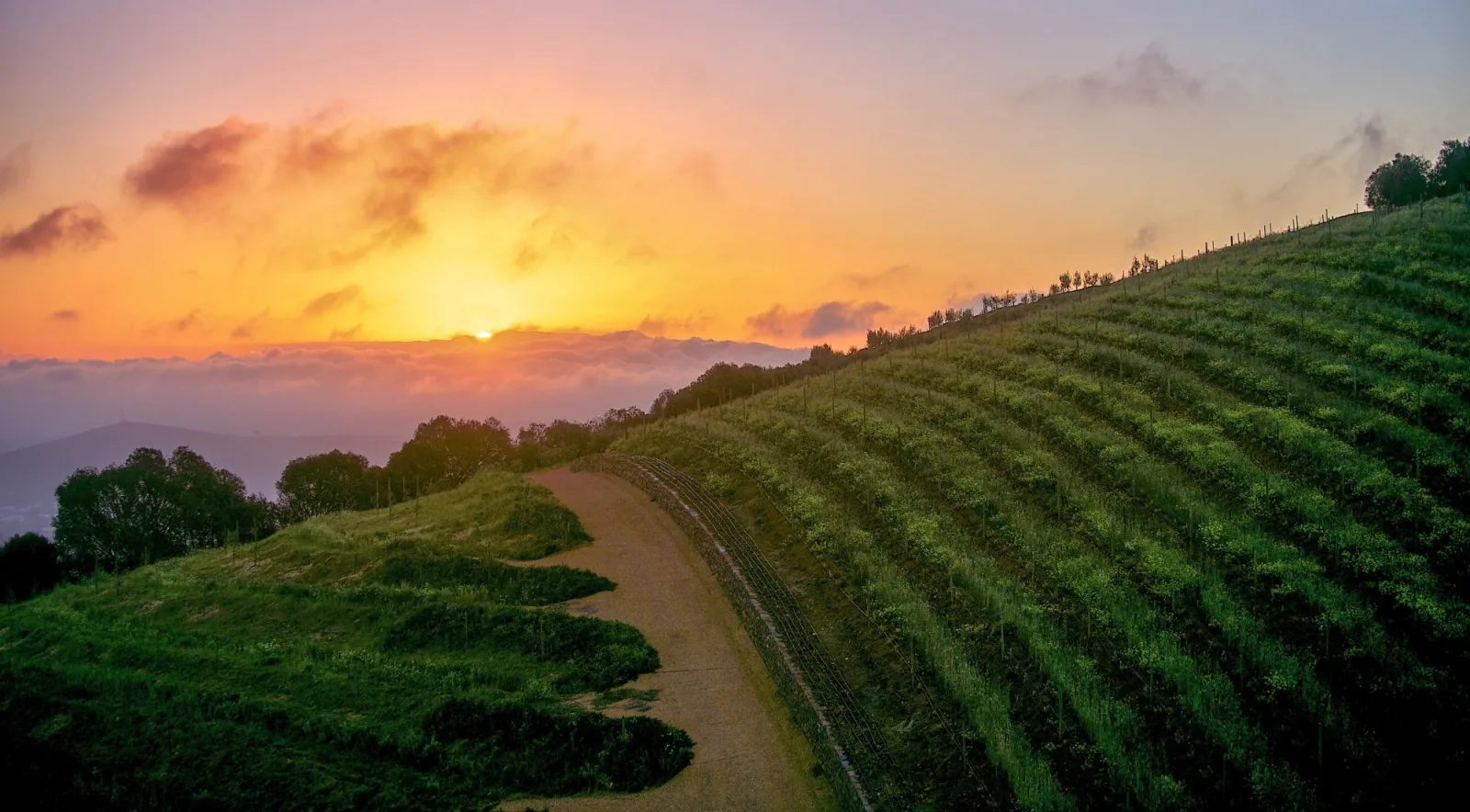
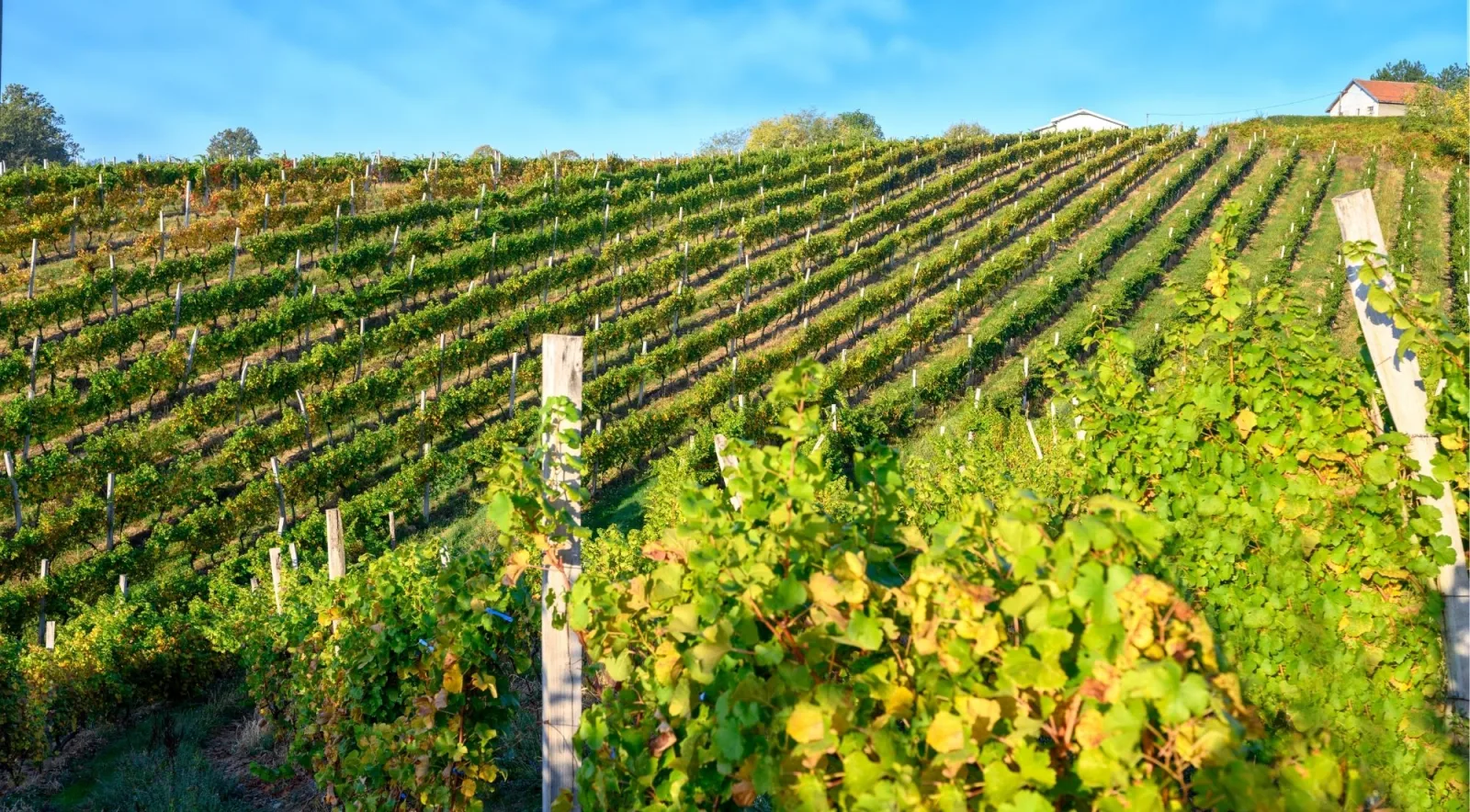
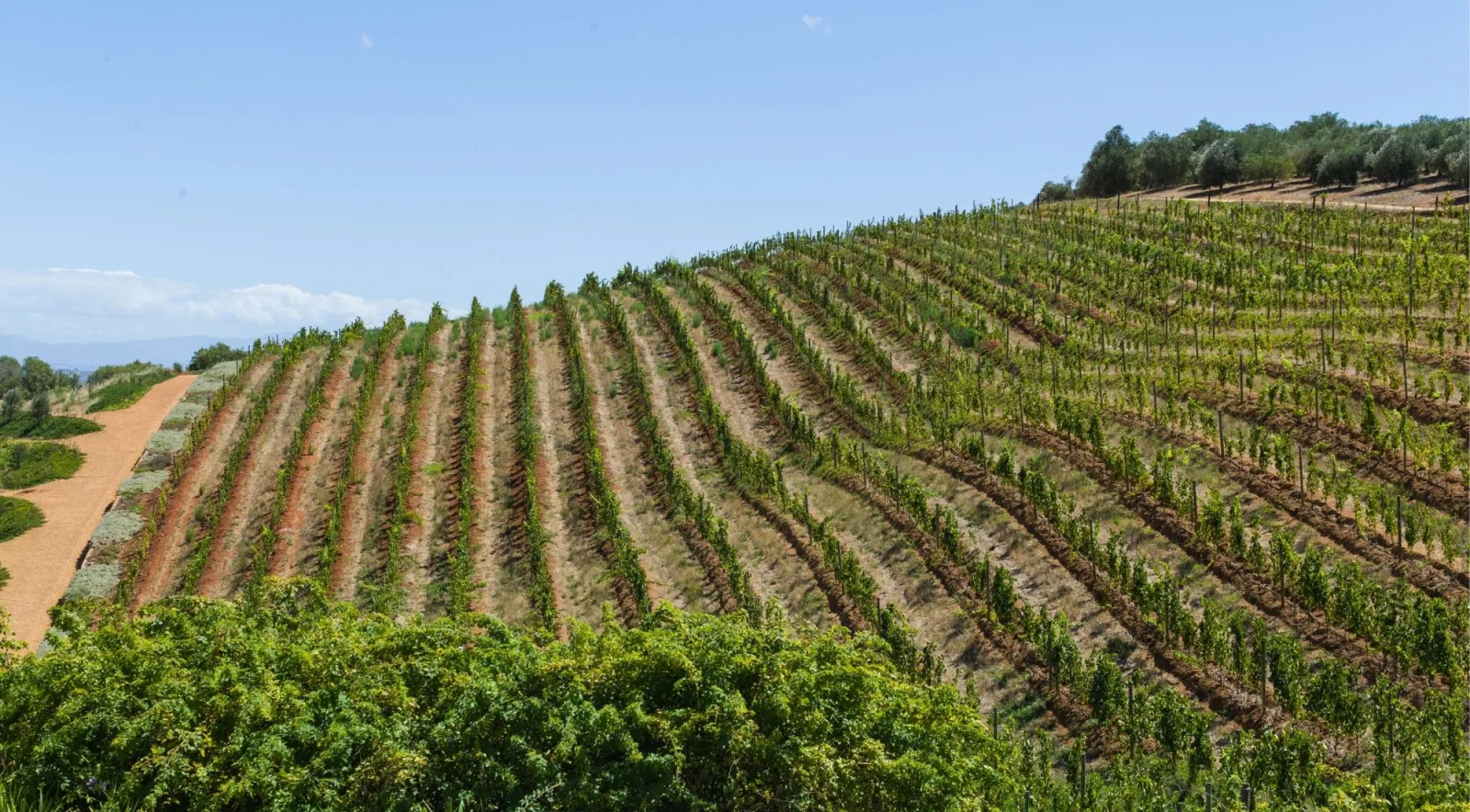
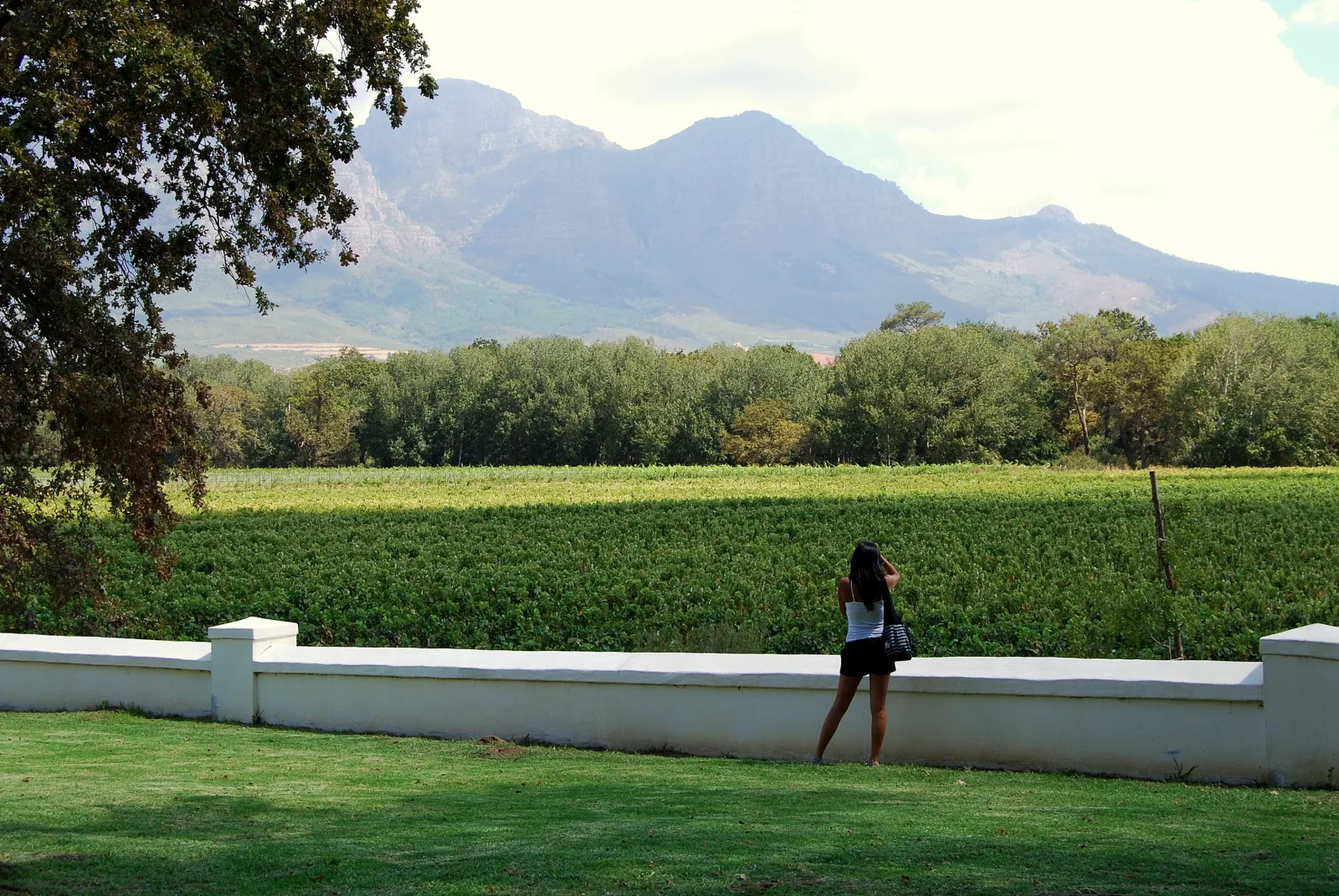
That depth is why a four-estate day here shows you more than a three-region day does. Estates in Stellenbosch sit on very different slopes and soils: Delheim and Tokara high on the Simonsberg, Lanzerac in the town’s own valley, Stark-Condé tucked up Jonkershoek with mountains on three sides. The Four Estate tour spends a full day proving that point, with lunch and every tasting in the price.
It is where South Africa’s own grape was made
Pinotage was created here. In November 1924 Professor Abraham Izak Perold, a viticulturist at Stellenbosch University, crossed Pinot Noir with Cinsaut — known locally as Hermitage, which is where the second half of the name comes from — and in 1925 he planted the four resulting seeds in the garden of his official residence at the Welgevallen experimental farm.
He left the university in 1927 and the seedlings were nearly lost; they were rescued from the abandoned garden and grafted onto rootstock in 1935. The first commercial bottling came much later: the 1959 Lanzerac Pinotage, released in 1961. If your tour visits Lanzerac — the Winelands and Wine Tram tour does — you are standing where the grape went commercial.
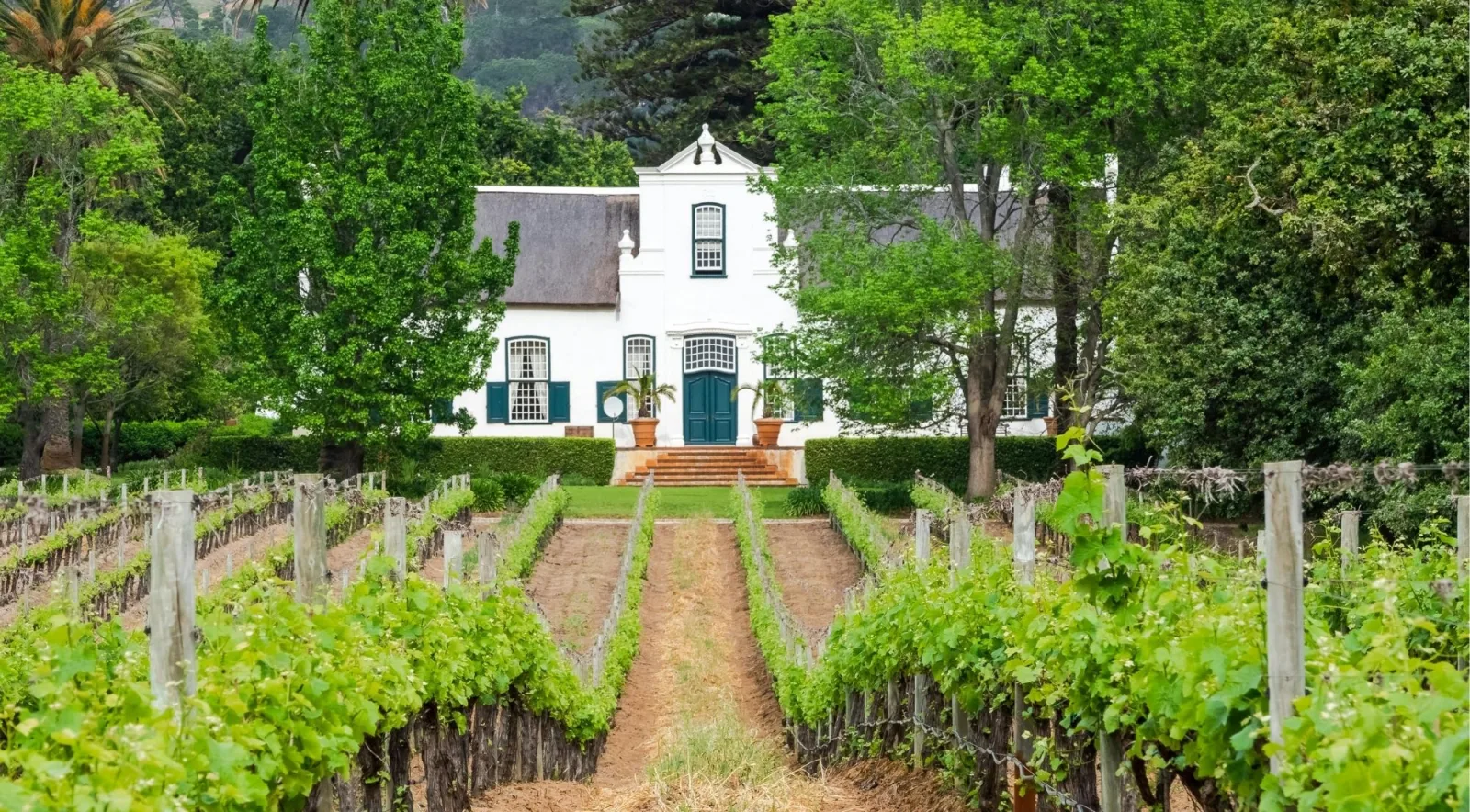
Stellenbosch is also the second-oldest town in South Africa, and the centre is genuinely worth the walking time: oak-lined streets, whitewashed Cape Dutch gables, galleries, and a university town’s café culture. Shops generally open at 09:00 and close between 17:00 and 18:00, which is exactly why the half-day’s morning departure visits the town first and the afternoon departure visits it last.
Choosing between the Stellenbosch options
The cheapest honest day is the Stellenbosch half-day at $54, five hours, tastings included, children permitted. The Uncork the Cape half-day at $53 is the same length in a smaller van, visiting Marianne and Fairview.
The most complete day is the Four Estate tour at $145 — four estates, hotel transfers, all tastings and lunch, with only tips and soft drinks outside the price. It is 18-plus and not suitable for guests with mobility impairments.
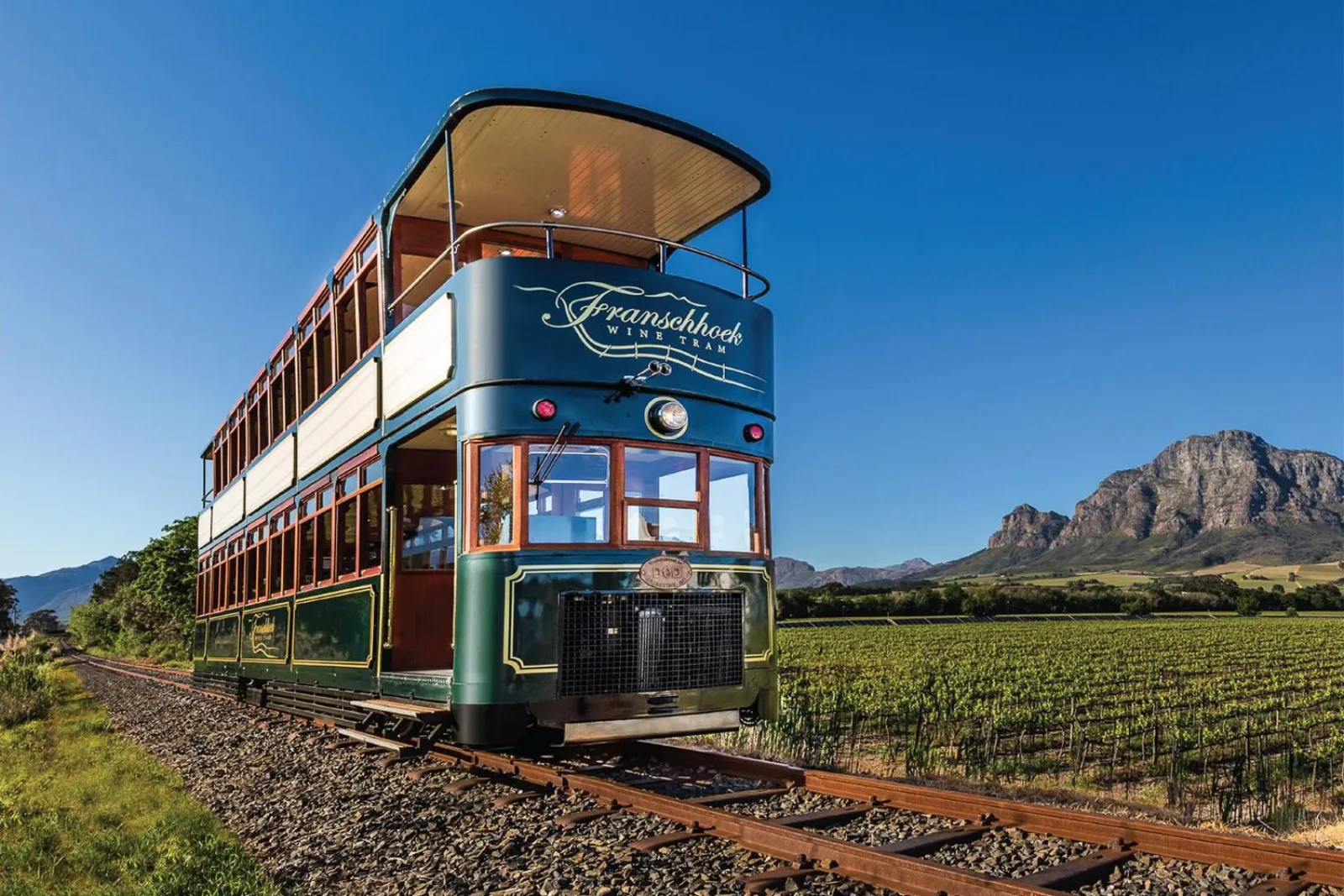
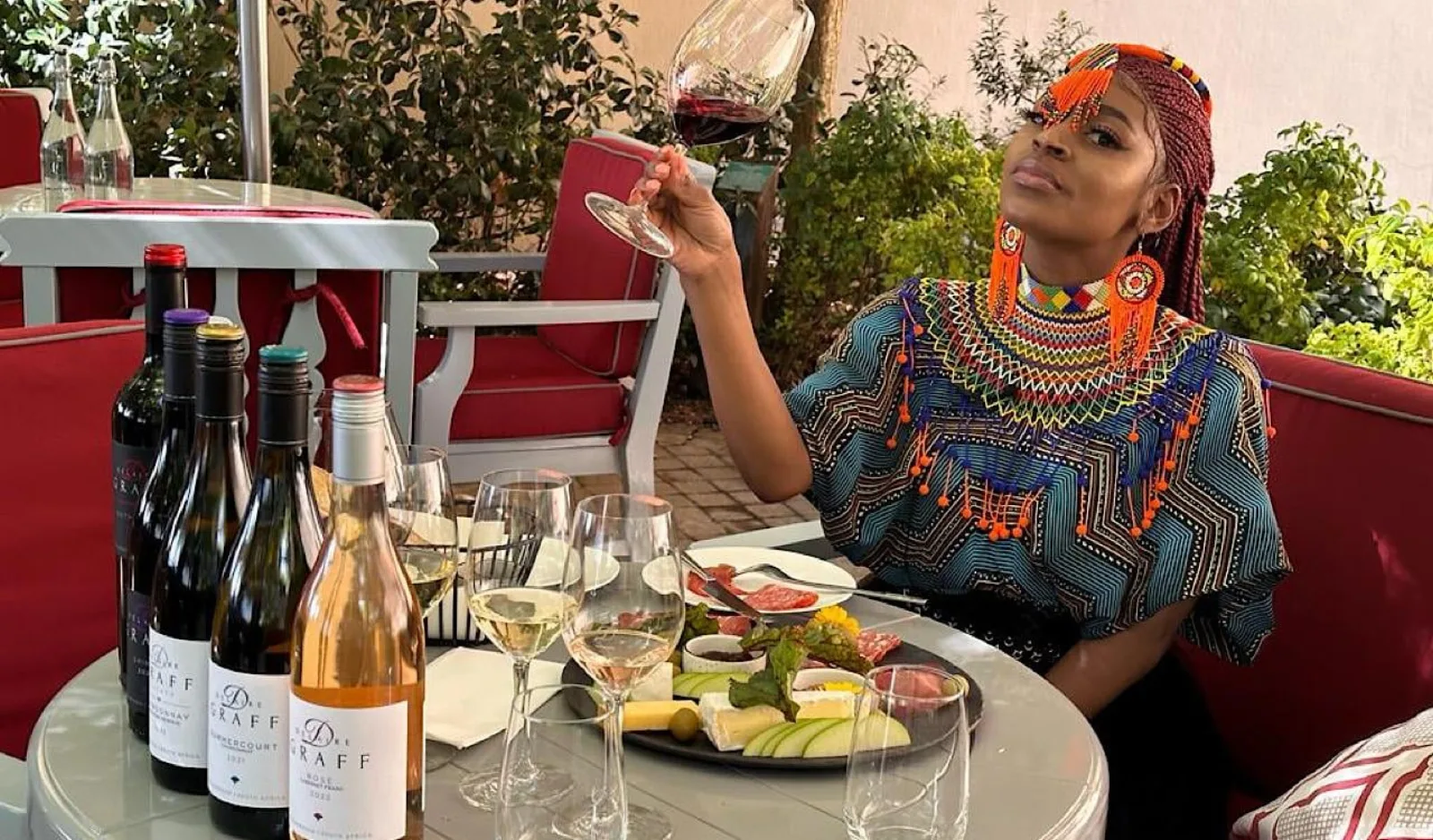
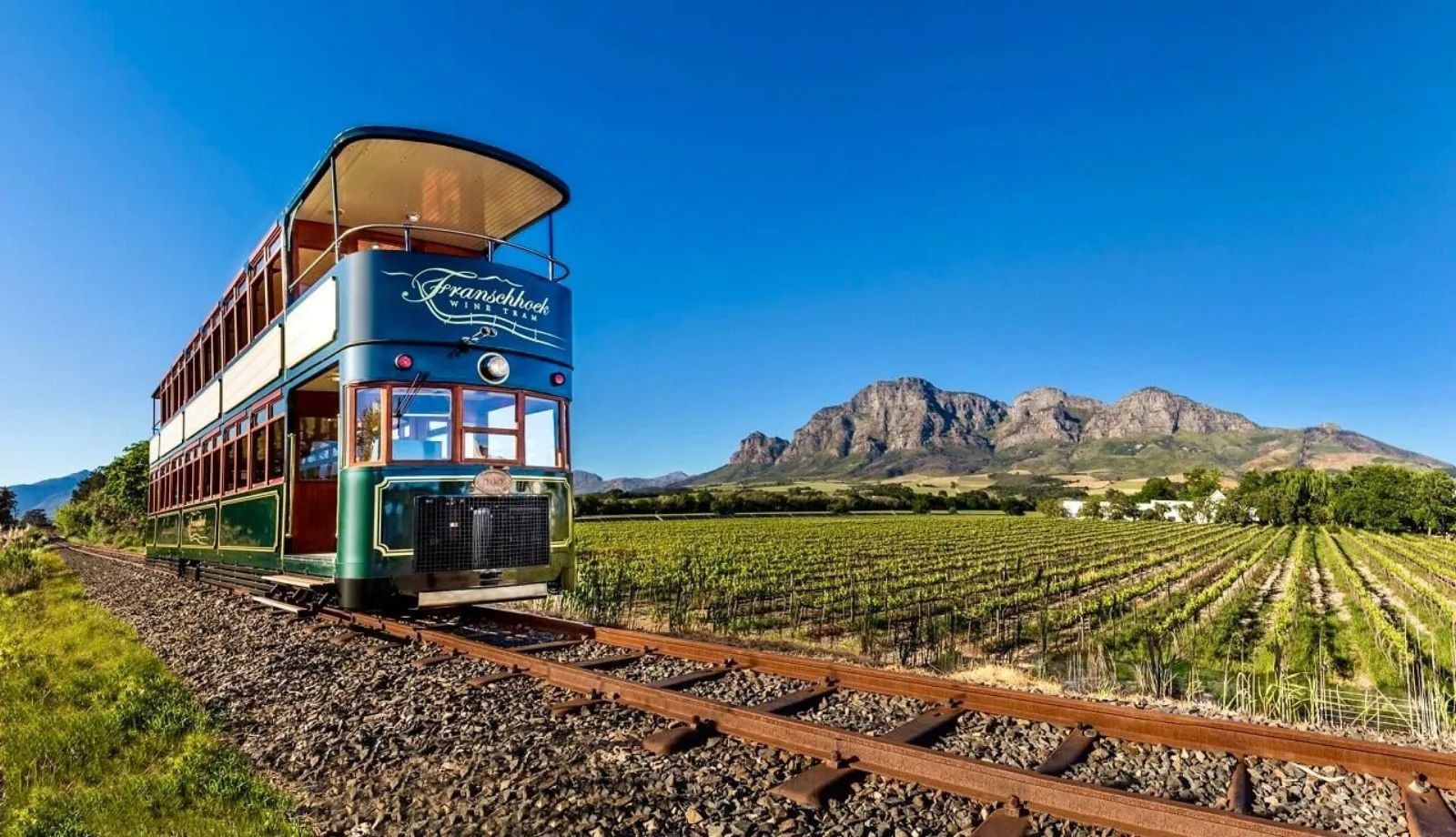
If you also want Franschhoek, most full-day tours pair the two. The small-group four-estate tour covers Delaire Graff, Tokara, Delheim and Fairview across both districts, and the 3 Regions tour adds Paarl for $56. Our guide to the Stellenbosch and Franschhoek day covers timing, the tram and lunch.
Still weighing it up? Read Stellenbosch vs Franschhoek for the direct comparison, or which Cape Town wine tour is right for you for the whole field — then check availability for your dates.